

Die 5 wichtigsten Fragen zu Kohlenstoffsteuern
Kohlenstoffsteuern sind heutzutage in den Nachrichten. Der langjährige konservative Meinungsforscher und Wortschmied Frank Luntz hat kürzlich im Auftrag des Climate


Damit die Automatisierung der Gesellschaft zugute kommt
Es gibt Millionen von Menschen da draußen, die aus verschiedenen Gründen niemanden zum Lieben haben oder jemanden, der sie liebt.
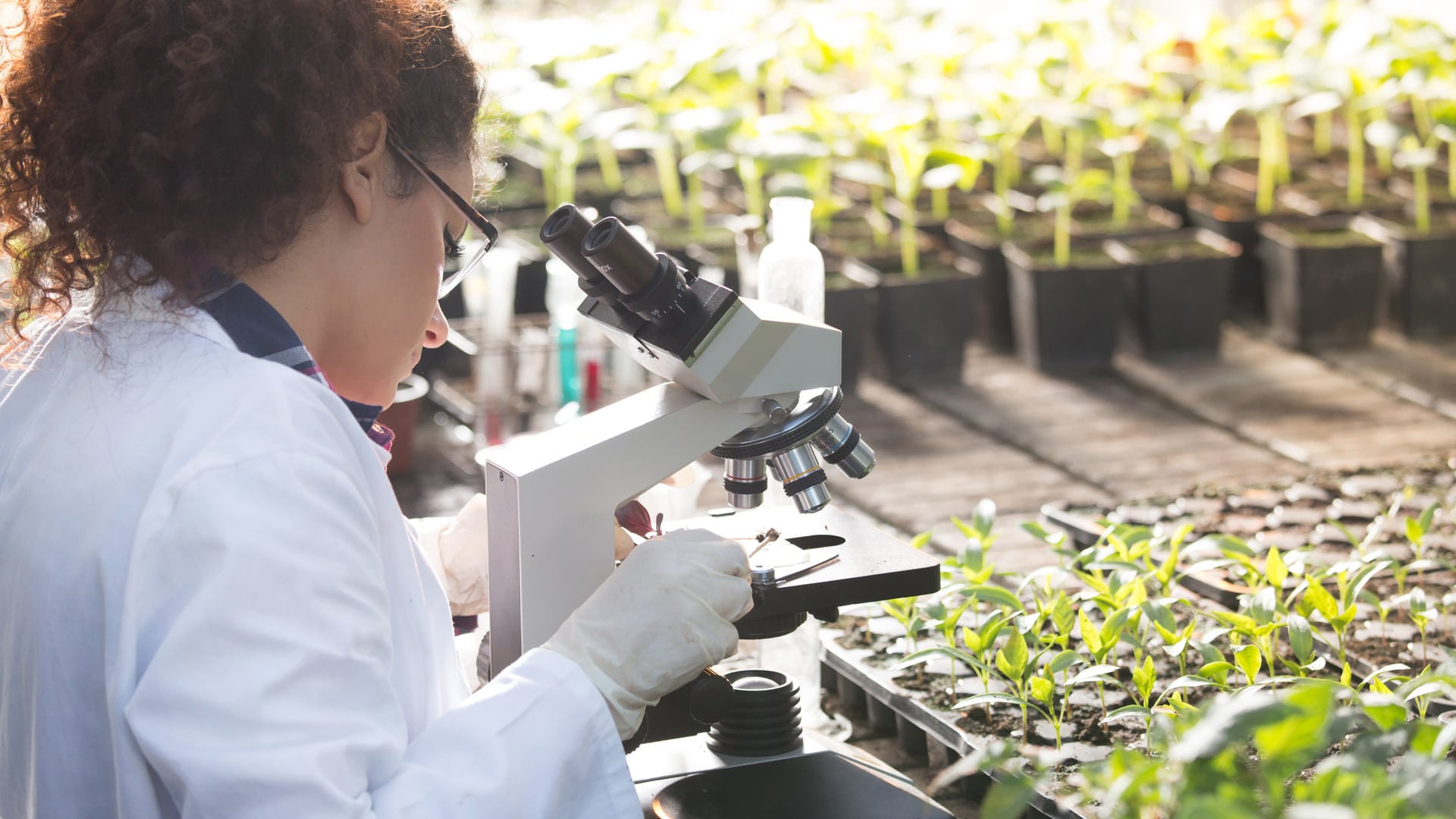
Wissenschaft ist nicht nur für Wissenschaftler – wir können alle teilnehmen
Das Internet und neue Technologien beleben die Rolle, die die Bürger bei der Dokumentation der Welt um uns herum spielen


Die 5 wichtigsten Fragen zu Kohlenstoffsteuern
Kohlenstoffsteuern sind heutzutage in den Nachrichten. Der langjährige konservative Meinungsforscher und Wortschmied Frank Luntz hat kürzlich im Auftrag des Climate Leadership Council (CLC), einer Gruppe unter der Leitung der hochrangigen republikanischen Staatsmänner James Baker und George Shultz, eine Umfrage durchgeführt.
Der CLC drängt auf eine „CO2-Dividenden“ -Politik, die eine steigende CO2-Steuer einführt und die Einnahmen direkt an die Steuerzahler zurückerstattet – und gleichzeitig einige (angeblich) unnötige Vorschriften zurücknimmt. Der CLC wird von einem PAC, Americans for Carbon Dividends, unterstützt, das von den Ex-Senator-Lobbyisten Trent Lott und John Breaux geleitet wird. (Ich habe hier über den CLC-Vorschlag geschrieben.)
Luntz hat im Mai die CO2-Dividendenpolitik abgefragt. Es erhielt zwei zu eins Unterstützung unter Republikanern, vier zu eins Unterstützung insgesamt, sechs zu eins Unterstützung unter Republikanern unter 40 und acht zu eins Unterstützung unter Swing-Wählern unter 40. Als es den Wählern in Fokusgruppen erklärt wurde, kamen die meisten von ihnen zurück Artikel.

In der ersten demokratischen Debatte am Mittwoch wurden auch Kohlenstoffsteuern erhoben. Moderator Chuck Todd warf diese Frage aus: „Viele der Klimapläne beinhalten in gewisser Weise die Besteuerung von Kohlenstoff. Ob es der Bundesstaat Washington ist, in dem die Wähler dagegen gestimmt haben und Sie die Bewegung der gelben Weste hatten und in Australien eine Partei aus Angst vor den Kosten des Klimawandels abgelehnt wird. Wie zahlen wir, wenn die Preisgestaltung für Kohlenstoff politisch unmöglich ist? “
John Delaney, ein ehemaliger Kongressabgeordneter aus Maryland, wollte unbedingt antworten: „Ich habe die einzige CO2-Steuergesetzgebung eingeführt, und Ökonomen glauben, dass sie funktioniert. Sie müssen es richtig machen. Sie können keinen Preis für Kohlenstoff setzen und das Geld nicht an das amerikanische Volk zurückgeben. Mein Vorschlag, der einen Preis für Kohlenstoff darstellt, gibt dem amerikanischen Volk Dividenden zurück. “
Das Vorhandensein dieser Vorschläge weist auf ein erhöhtes Bewusstsein und Interesse für Kohlenstoffsteuern hin. Dies scheint nun eine gute Gelegenheit zu sein, einige der Grundlagen zu überprüfen.

Glücklicherweise hat das Zentrum für globale Energiepolitik (CGEP) an der Columbia University (in Zusammenarbeit mit mehreren anderen Forschungsorganisationen) im Jahr 2018 eine Reihe von vier Forschungsarbeiten herausgegeben, die diese Grundlagen abdecken. Die Forschung ergab nichts besonders Schockierendes. Es bestätigte größtenteils, welche politischen Wonks die Dynamik der Kohlenstoffsteuern seit langem verstanden haben.
Diese Dynamik wird jedoch von der Öffentlichkeit nicht unbedingt gut verstanden. Mit der (schlanken, aber wachsenden!) Chance, dass eine föderale Kohlenstoffsteuer Gegenstand ernsthafter nationaler Debatten sein könnte, ist es ein guter Zeitpunkt für alle, sich auf den neuesten Stand zu bringen.

Aufforderung zur Einreichung von Vorschlägen: Es ist Zeit für einen gerechten Übergang
Ungeachtet dessen, was die Leugner des Klimawandels, die jetzt durch unsere Bundesregierung gehen, uns glauben machen würden, verstehen wir den Klimawandel: die Mechanismen dahinter, unsere Rolle darin und die Bedrohungen, die er für unser Wohlergehen darstellt. Wir wissen auch, dass diese Klimakrise und die sie befeuernden Rohstoffindustrien wirtschaftlich benachteiligte und politisch marginalisierte Gemeinschaften wesentlich stärker treffen als ihre reicheren Kollegen.
Wie verschieben wir unsere Konsumgewohnheiten in die Nähe von zu Hause?
Und obwohl die Forderungen von Präsident Trump nach Investitionen in unsere Infrastruktur und Arbeitsplätze verdient sind, wissen wir, dass die Unterstützung der Industrie für fossile Brennstoffe nicht die Antwort ist. Erneuerbare Energien machen mittlerweile mehr als die Hälfte aller in den USA installierten neuen Stromerzeugungskapazitäten aus. Jährlich übertrifft die Beschäftigung im Bereich der erneuerbaren Energien das Wachstum der Rohstoffindustrie rasch.
Wir sehen bereits den Übergang. Die Frage ist: Können wir die Chance erkennen, gleiche Wettbewerbsbedingungen zu schaffen und eine Zukunft zu sichern, die von sauberer, von der Gemeinde kontrollierter Energie angetrieben wird, die in die lokale Wirtschaft investiert und die Rechte von Mensch und Natur wahrt?
Machtverschiebung:
Ein gerechter Übergang zu einer auf erneuerbaren Energien basierenden Wirtschaft bietet eine starke Gelegenheit, tief verwurzelte Ungleichheiten zu beseitigen. Wie stellen wir sicher, dass die Stimmen derer, die historisch ignoriert und ausgebeutet wurden, gleichermaßen gehört werden? Wo gibt es Beispiele für lokal betriebene und betriebene saubere Stromerzeugung? Und wie sind diese entstanden?
Anpassung:

Selbst wenn wir heute die Gewinnung fossiler Brennstoffe vollständig einstellen würden, würden wir die Auswirkungen des Klimawandels auch in Zukunft sehen. Menschen an der Front der Umweltkrise – diejenigen, die vom Land oder am Rande des Landes leben, diejenigen, die unmittelbar oder indirekt von der Gewinnung betroffen sind, aber nicht über die Mittel verfügen, um umzuziehen – passen sich bereits an. Wie bereiten sich Gemeinden auf gefährlich unregelmäßige Wetterbedingungen vor? Wie bleibt eine Kultur am Leben, wenn sie an ein verschwundenes Land gebunden ist? Wie können wir den nachteiligen Auswirkungen auf die Gesundheit begegnen, die durch die Wirtschaftlichkeit fossiler Brennstoffe ausgelagert werden? Wie können Gemeinden die nachhaltigen Ressourcen in ihrer Umgebung nutzen, um ihre lokale Wirtschaft zu stärken und ihre Unabhängigkeit zu bewahren?
Ernährungssouveränität:

Die moderne Produktion und Verteilung von Lebensmitteln trägt maßgeblich zum Klimawandel bei und ist ein Verschmutzer, der die Ökosysteme weit verbreitet und schädigt. Wie verschieben wir unsere Konsumgewohnheiten in die Nähe von zu Hause? Wie werden Menschen, deren kulturelle Wurzeln für Lebensmittel durch das Nachwachsen von industrialisierten Lebensmitteln abgetrennt wurden, abgetrennt? Wie ernähren wir eine wachsende Bevölkerung nachhaltig?
Damit die Automatisierung der Gesellschaft zugute kommt
Es gibt Millionen von Menschen da draußen, die aus verschiedenen Gründen niemanden zum Lieben haben oder jemanden, der sie liebt. Und für diese Leute denke ich, dass Roboter die Antwort sein werden , sagte er.
Ich vermute, dass Levy dies als lukrative Geschäftsmöglichkeit für Intelligent Toys, Ltd ansieht, ein Unternehmen, das in dem Artikel erwähnt wird(Pass auf), den ich gegründet habe.
Die Gewinnpotentiale der Automatisierung sind nicht auf Ehepartner von Robotern beschränkt.
Front und Mitte ist das Thema Arbeitsplätze. Donald Trump versprach, Millionen von Arbeitsplätzen zurückzubringen, die die Globalisierung auf Kosten der USA ausgelagert hatte. Arbeitskräfte. Laut einer MIT-Studie aus dem Jahr 2014, die kürzlich von der New York Times zitiert wurde, sind seit 2000 allein in China 2 bis 2,4 Millionen Arbeitsplätze verloren gegangen. Menschen, die in Gebieten des Landes leben, die am stärksten von diesen Arbeitsplatzverlusten betroffen sind, leiden unter Langzeitarbeitslosigkeit und verringertem Einkommen für den Rest ihres Lebens. Sie sind verständlicherweise wütend und bilden einen wichtigen Teil von Trumps politischer Basis.

Aber wie der frühere Präsident Barack Obama in seiner Abschiedsrede feststellte, sind diese Jobs für immer weg – nicht wegen der Globalisierung, sondern wegen der Automatisierung. “Die nächste Welle wirtschaftlicher Verwerfungen wird nicht aus Übersee kommen. Es wird von dem unermüdlichen Tempo der Automatisierung herrühren, das viele gute Jobs der Mittelklasse überflüssig macht. “
Gartner, ein Beratungsunternehmen für Informationstechnologie, schätzte 2014, dass bis 2025 ein Drittel der derzeitigen US-amerikanischen Unternehmen Jobs werden durch irgendeine Form der Automatisierung ersetzt. In der Tat ist China selbst weltweit führend in der Automatisierung geworden und bedroht sowohl Chinesen als auch die USA. Arbeitskräfte.
Trump pries United Technologies als seinen ersten Sieg, als er ein Unternehmen davon überzeugte, eine Fabrik in den USA zu führen. Aber UT hat Pläne angekündigt, die Automatisierung zu nutzen, um die Jobs zu erledigen, die es verschoben hätte. Im Namen der Rettung von Arbeitsplätzen subventioniert Trump mit Steuererleichterungen deren Beseitigung durch Automatisierung.

In den Wirtschaftsmedien sehen wir eine Flut von Vorhersagen von Experten für künstliche Intelligenz, dass gefährdete Arbeitsplätze unter anderem Apotheker, Kassierer, Fahrer, Astronauten, Soldaten, Babysitter, Altenpfleger, Sportjournalisten und Nachrichtenreporter sind. An der Wall Street wurden die Jobs der meisten Parketthändler bereits automatisiert, und die Jobs von Hedgefondsmanagern und Börsenanalysten könnten bald auf dem Hackbrett stehen.
Diese Vorhersagen deuten darauf hin, dass wir die Aussicht auf eine Wirtschaft mit geringem Bedarf an Menschen haben. Wie bei jeder Technologie ist künstliche Intelligenz jedoch nicht von Natur aus gut oder schlecht. Die Frage ist, wie wir es verwenden und wer die Wahl trifft.
Wissenschaft ist nicht nur für Wissenschaftler – wir können alle teilnehmen
Das Internet und neue Technologien beleben die Rolle, die die Bürger bei der Dokumentation der Welt um uns herum spielen können.
Dies war Wissenschaft im späten 18. und frühen 19. Jahrhundert – eine pulsierende Welt von Nerds und Amateuren, die versuchen, die Funktionsweise der Welt in ihrer Freizeit zu dokumentieren. Es war weniger eine Institution als eine Liebesarbeit wie Skulptur oder Poesie. London war eine Art Drehscheibe voller wissenschaftlicher Gesellschaften und Clubs – sie waren wie die Maker Faires, die Do-it-yourself-Kollektive, die Hack-a-Thons der Aufklärung. In den Vereinigten Staaten gab es großes Interesse daran, Pflanzen- und Tierproben zu sammeln und die Naturgeschichte Nordamerikas zu dokumentieren. Die Barrieren der Zeit hielten bestimmte Menschen von der Wissenschaft fern. (Es gab nur wenige Farbwissenschaftler, obwohl es Frauen gelang, sich in einflussreiche wissenschaftliche Kreise in Europa und Amerika zu drängen, und schwarze Erfinder leisteten wichtige technologische Beiträge in den Vereinigten Staaten.) Dennoch war die Technologie für wissenschaftliche Beobachtungen billig, viel war es unbekannt, und fast jeder mit den verfügbaren Mitteln könnte einen wichtigen Beitrag leisten.
Haben wir vergessen, wofür Wissenschaft eigentlich ist?

Während der USA Im Wahlkampf sprachen einige Politiker und Redner, als sei die Wissenschaft kein Mittel, um Wissen zu sammeln, sondern eine Art Kabale. Der damalige Präsidentschaftskandidat Donald Trump traf sich mit Führern einer diskreditierten Anti-Impfgruppe und bezeichnete die globale Erwärmung als Scherz, der von und für die Chinesen geschaffen wurde, um die USA zu machen. Herstellung nicht wettbewerbsfähig. ” Matt Drudge, Herausgeber des rechtsextremen Drudge-Berichts, beschuldigte das National Hurricane Center auf Twitter, die Intensität des Hurrikans Matthew übertrieben zu haben, obwohl in Haiti mehr als 1.000 Menschen getötet wurden. UNS. Der texanische Abgeordnete Lamar Smith nutzte das House Committee on Science, Space and Technology, um unbegründete Anschuldigungen gegen die Forscher der National Oceanic and Atmospheric Administration zu erheben und ihnen vorzuwerfen, Daten zu ändern.

Ungenutzte Gebäude zu einem florierenden Gemeindezentrum
Als die Mieten steigen und unabhängige Unternehmen in Minneapolis ihre Mietverträge an große nationale Ketten verlieren, hat eine einzigartige Genossenschaft eine Lösung gefunden.
Nachdem Evan Sallee jahrelang zu Hause gebraut hatte, waren er und seine Partner von Fair State Brewing, Minnesotas erster Biergenossenschaft im Besitz von Verbrauchern, endlich bereit, einen Schankraum in Minneapolis zu eröffnen. Sie brauchten einen Ort, an dem gebraut werden konnte, mit einer Ladenfront, die Leute von der Straße einlud. Diese Kombination war schwer zu finden, bis sie sich einen Platz an der Central Avenue im Nordosten der Stadt angesehen hatten.

Zuerst dachten sie, es würde nicht funktionieren. Die Holzböden würden keine schweren Geräte tragen, und die Hinterzimmer waren dringend reparaturbedürftig. Nach ihrer Erfahrung waren solche Probleme Deal Breaker. Aber hier hatten die Vermieter der Vermietung an lokale Unternehmer Priorität eingeräumt und würden die notwendigen Renovierungsarbeiten bezahlen – auch weil sie dort selbst trinken wollten.
“Unser gesamtes Ziel bei der Schaffung war es, es zu einem zentralen Knotenpunkt für das Zusammenkommen der Gemeinschaft zu machen”, sagte Sallee.
Das Gebäude wurde nicht von abwesenden Vermietern oder weit entfernten Entwicklern gehalten, sondern von rund 200 Einheimischen, die das Grundstück gemeinsam besaßen. Sie sind Teil der Northeast Investment Cooperative (NEIC), einer einzigartigen Genossenschaft in den USA, die das Geld der Mitglieder bündelt, um in gewerbliche Immobilien zu investieren. Sie teilen Gewinne, Entscheidungsfindung und die Belohnungen der Gemeinschaft, unter anderem Geschäfte in lokalem Besitz in ihrer Nachbarschaft zu haben, die sie wollen.
Im ganzen Land sind die Immobilienwerte mit einem erneuten Interesse am städtischen Leben gestiegen – ein Trend, der lukrative neue Märkte für Entwickler geschaffen hat. Wenn die Mietkosten steigen, werden lokale Unternehmen häufig geschlossen und tief verwurzelte Bewohner vertrieben. Der daraus resultierende Umsatz hat den Charakter vieler Stadtteile verändert.
Der Nordosten ist ein langjähriges Ziel für Einwanderer aus der Arbeiterklasse. Er ist immer noch übersät mit ostorthodoxen Kirchen und den großen Hülsen von Getreideaufzügen, die einst die Industrie der Stadt trieben. Viele Menschen, die hier aufgewachsen sind, leben noch hier. “Es gab viel mehr Ortsgefühl”, sagte Seth Stattmiller, Inhaber des Recovery Bike Shops, und verglich es mit der Nachbarschaft, in der sich sein vorheriger Laden befand. “Die Menschen sind hier für ihr Leben.”