New Economy
Series 01 · 7 explainers
Money is a tool people designed, and they can design it differently. This series explains the ideas that change who holds money, who owns the workplace and who looks after shared resources: local and complementary currencies, cooperatives and employee ownership, time banks, the commons and the debates about wellbeing beyond growth.
Every explainer says what the idea is, where it already runs, with figures, and what economists and critics object to.
Start here
-
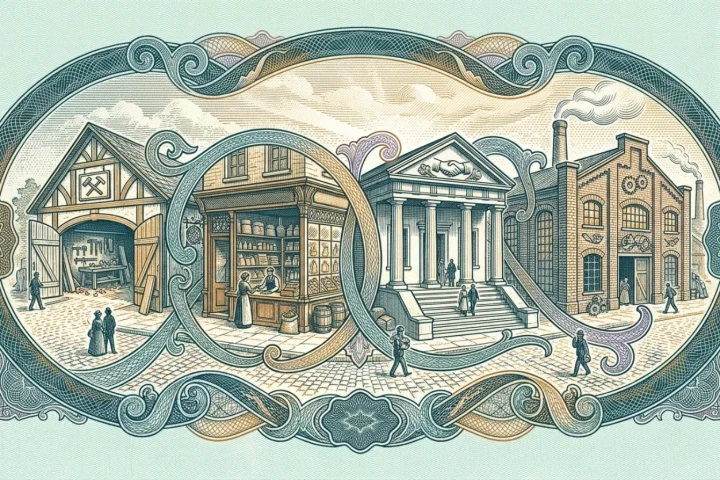 The Post-Corporate World: The Cooperative Business Model and Other Ways to Own a Company
In a cooperative business model, the people who use a business, as customers, workers or producers, own and control it on a one-member, one-vote basis and share its surplus according to use. It is one of several alternatives to the…
FN·01·000106
-
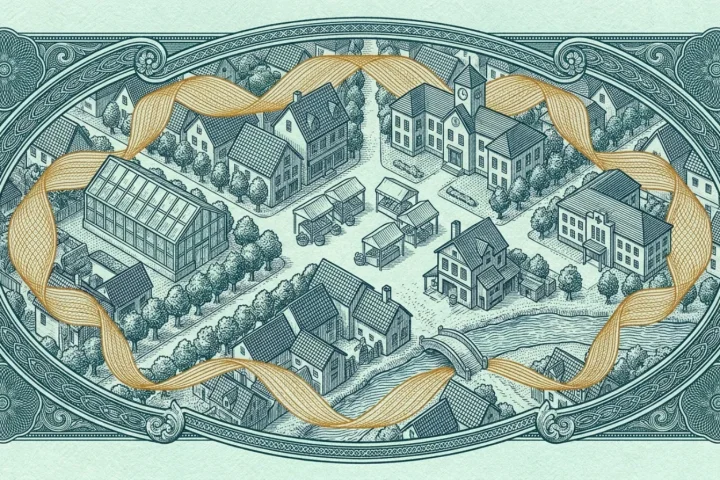 How to Build a Local Economy: 30 Things You Can Do
A local economy is the buying, selling, working and lending that happens within a town or region. You build it in two ways: by…
FN·01·000101
-
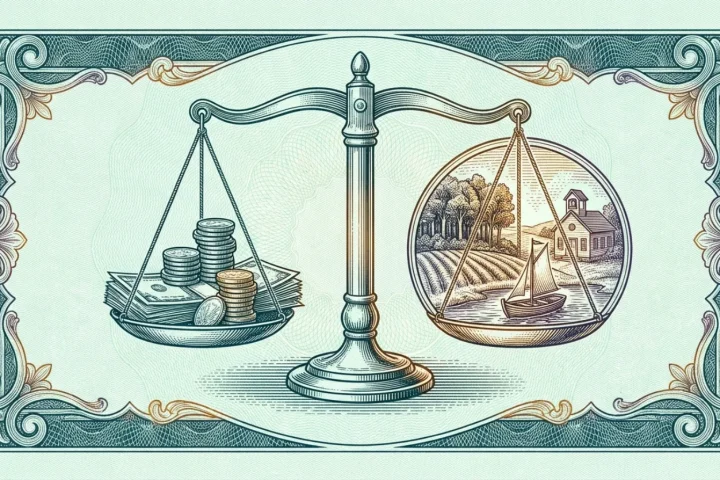 Money vs. Wealth: What’s the Difference, and Why Does It Matter?
Money is a claim you use to pay for goods and services; wealth is the stock of valuable things you own minus what you…
FN·01·000096
Every note in this series
- FN·01·000069 Bernard Lietaer and the Future of Money: The Monetary Ecosystem Model Short answerBernard Lietaer (1942–2019) was a Belgian economist and former central banker who argued that relying on a single bank-debt currency makes economies efficient but fragile. In The Future of Money (2001) and later work he proposed a monetary ecosystem in which community and complementary currencies such…
- FN·01·000064 WTO Seattle 1999, Day by Day: A Timeline of the Protests Short answerThe WTO's Third Ministerial Conference met in Seattle from November 30 to December 3, 1999. Blockades on the opening day (N30) canceled the opening ceremony and led to a state of emergency, a curfew and a no-protest zone; about 600 people were arrested during the week.…
- FN·01·000059 Money You Can Print Yourself: The Complete Guide to Local and Community Currencies Short answerA local currency is money that a community issues to circulate alongside the national currency within a town, region or network, accepted only by participating businesses and people. Most are backed 1:1 by national money, run as mutual credit, or count hours of work. In the…
- FN·01·000040 The Battle of Seattle: What Happened at the 1999 WTO Protests Short answerThe Battle of Seattle was the wave of protests around the World Trade Organization's ministerial conference in Seattle from November 30 to December 3, 1999. Tens of thousands of union members, environmentalists and direct-action blockaders delayed the opening; the city declared an emergency, police used tear…
Other series
- Environment & Health Fungi that clean soil, carbon budgets, clean water and what pollution does to our bodies. Series 02 3explainers
- Food & Farming Regenerative fields, family farms, shared harvests and where our food comes from. Series 03 First notes in print
- Democracy Ranked ballots, citizens’ assemblies, participatory budgets and how people take part between elections. Series 04 1explainer
- Justice & Peace Restorative justice, nonviolence, peacebuilding and what happens after conflict and crime. Series 05 2explainers
- Communities Livable cities, shared housing, schools, ecovillages and the places people build together. Series 06 1explainer
- Culture & Values Ideas and thinkers that change how we see the world, from the Great Turning to political compasses. Series 07 1explainer
- Technology & Society Appropriate technology, screens and attention, and how to judge new inventions before they spread. Series 08 First notes in print